The diet that builds a 25 km body
Running 25 km isn't just a training question — it's a nutrition question. What you eat between runs shapes the body you bring to every single one of them.
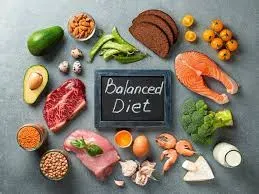
Most beginner runners focus on the runs — the minutes walked, the intervals completed, the kilometres ticked off. That's the right instinct. But ask anyone who has gone from the couch to 25 km, and they'll tell you: at some point, the food became just as important as the training.
This isn't about a restrictive diet or obsessing over macros. It's about understanding what a healthy, consistent way of eating actually does to your body over the weeks and months of building toward a long distance — and why those changes make 25 km possible.
What does running 25 km actually ask of your body?
A 25 km run at a comfortable pace takes most recreational runners between 2.5 and 3.5 hours. Over that time, your body burns through its glycogen reserves, taxes your cardiovascular system, breaks down muscle fibres, loses fluid and electrolytes through sweat, and works its joints through thousands of impact cycles.
That's a lot. And almost every part of that list — glycogen storage, heart efficiency, muscle repair speed, joint resilience — responds directly to what you eat in the days and weeks around your training. The run is the stimulus. Your diet is the environment in which your body adapts to it.
How eating well changes your body as you train
A healthy diet doesn't just fuel individual runs. Over weeks of consistent training, it drives physical changes that make you a fundamentally different runner.
Your glycogen stores grow. The more you train and refuel properly with carbohydrates, the more glycogen your muscles can hold. A well-fed runner heading into a long effort has noticeably more fuel on board than someone who has been skipping meals or cutting carbs. That extra reserve is the difference between finishing strong at 25 km and hitting the wall at 18.
Your muscles recover faster. Protein from food — chicken, eggs, legumes, dairy — provides the amino acids your muscles need to repair and strengthen after each run. Skimping on protein means arriving at your next session with muscles that haven't fully rebuilt. Over weeks, that compounds into fatigue and a higher injury risk.
Your cardiovascular system becomes more efficient. Iron, found in red meat, spinach, and lentils, is essential for producing haemoglobin — the protein that carries oxygen in your blood. Distance running is aerobic work; your heart and lungs need iron to deliver fuel to working muscles. Low iron levels, even without full anaemia, are one of the most common and overlooked reasons runners feel heavy-legged and slow.
Your joints stay healthier for longer. Omega-3 fatty acids from oily fish, walnuts, and flaxseed reduce systemic inflammation. Running creates inflammation — that's part of how it makes you stronger. But chronic low-grade inflammation from a poor diet on top of training inflammation can push joints and tendons toward injury. Anti-inflammatory foods are a quiet form of injury prevention.
The foods that build a runner's engine
You don't need to eat perfectly — you need to eat consistently. These are the categories worth prioritising:
- Whole-grain carbohydrates — oats, brown rice, wholemeal bread, sweet potatoes. These fill glycogen stores slowly and steadily, without the blood sugar spike and crash of processed carbs.
- Lean protein — chicken, fish, eggs, Greek yoghurt, lentils, tofu. Aim for a palm-sized serving at every meal. This is the raw material for muscle repair.
- Colourful vegetables and fruit — spinach, broccoli, beetroot, berries, oranges, bananas. Each colour represents a different set of vitamins, minerals, and antioxidants. Variety beats volume.
- Healthy fats — avocado, olive oil, nuts, oily fish like salmon and mackerel. These support hormone function, vitamin absorption, and long-effort fat metabolism.
- Legumes — chickpeas, black beans, lentils, edamame. Excellent sources of both carbohydrate and plant protein, plus iron and fibre.
Why vegetables deserve more space on your plate
Most runners underestimate vegetables. They think carbohydrates and protein are the story — and they are part of it — but micronutrients are what allow the rest of the system to work.
Potassium (bananas, spinach, potatoes) prevents muscle cramps during long efforts. Magnesium (leafy greens, pumpkin seeds, dark chocolate) supports muscle contraction and sleep quality. Vitamin C (bell peppers, citrus, kiwi) helps absorb iron from plant sources and supports connective tissue repair. Antioxidants in berries and brightly coloured produce reduce exercise-induced oxidative stress — the cellular wear and tear that accumulates over distance training.
A plate heavy on vegetables isn't just a health habit. For a runner in training, it's maintenance for the engine.
What happens when you skip the good stuff
The effects of poor nutrition on a runner's body are gradual and easy to misread. Persistent fatigue gets blamed on overtraining. A drop in pace gets blamed on a bad day. Recurring minor injuries get blamed on bad luck. Often, the diet is the common thread.
Specifically: low carbohydrate intake depletes glycogen so runs feel harder than they should. Low protein intake slows recovery and raises injury risk. Low iron leads to breathlessness and heavy legs at paces that should feel comfortable. Low fluid and electrolyte intake — water, sodium, potassium — degrades performance before you feel thirsty.
None of these are dramatic. That's what makes them easy to ignore — and exactly why addressing them has such a noticeable effect on running.
Three daily habits that add up to 25 km
You don't need to rebuild your entire diet. Start with these three things and build from there:
- Eat breakfast before morning runs. Even something small — a banana, a slice of toast, a handful of oats. It signals to your body that fuel is available, and it makes early runs feel considerably easier within a couple of weeks.
- Add a vegetable to every dinner. Not a side thought — make it half the plate. This single change delivers a meaningful micronutrient upgrade without requiring much thought or effort.
- Recover with protein within an hour of finishing. Chocolate milk, a yoghurt, eggs on toast, a protein shake — whatever fits your routine. This window is when your muscles are most receptive to repair. Use it consistently and you'll notice you feel less sore between runs.
C25K® gives you 8 weeks and a plan. What you eat during those 8 weeks determines whether you arrive at 25 km feeling like you earned it, or like you're just surviving. The runs are the work. The food is how you show up for them.